
The Last Supper is the moment Jesus Christ instituted the Eucharist. During this meal, Jesus took bread and wine and declared they were his body and blood, establishing a sacrament that Catholics continue to celebrate in every Mass. Eucharist is not just symbolic, but the real spiritual presence of Christ, called the doctrine of the “Real Presence.” It is also the foundation of the priesthood, since Jesus told his apostles to “do this in memory of me,” passing on a sacred ritual. The Last Supper represents unity, sacrifice, and ongoing communion with Christ through the liturgy.
Author: System
Heaven, Hell, and Purgatory
Heaven, Hell, and Purgatory have long been the soul’s possible destinations after death, each representing a different outcome of one’s life and choices.
Grace and Free Will
Grace is often described as a divine gift that cannot be earned through human effort. Free will, by contrast, is the human capacity to make choices independently.
The Problem of Evil
The Problem of Evil asks how a world with suffering and injustice can exist if a perfectly good, all-powerful, and all-knowing God exists. It appears contradictory that such a being would allow pain, natural disasters, and moral wrongdoing. One explanation is that evil results from human free will rather than divine intention.
The Catholic Church

The Catholic Church began in the 1st century with Jesus Christ and his apostles. It spread throughout the world and became an important religious and cultural institution during the Middle Ages. Over the centuries, the Church expanded around the world and established schools, hospitals, missions, and charitable organizations.
The Shroud of Turin
The Shroud of Turin bears the faint image of a man who appears to have suffered wounds consistent with crucifixion, which has fascinated both believers and scientists. Ongoing studies continue to explore how the image formed, leaving the Shroud an enduring mystery at the intersection of science, history, and belief.
The Third Secret of Fatima
The Third Secret of Fatima refers to a portion of the reported messages given by the Virgin Mary during the 1917 apparitions in Fátima. It was written down by one of the child visionaries, Sister Lúcia, and kept confidential for decades under the authority of the Catholic Church.
The Vatican Secret Archives
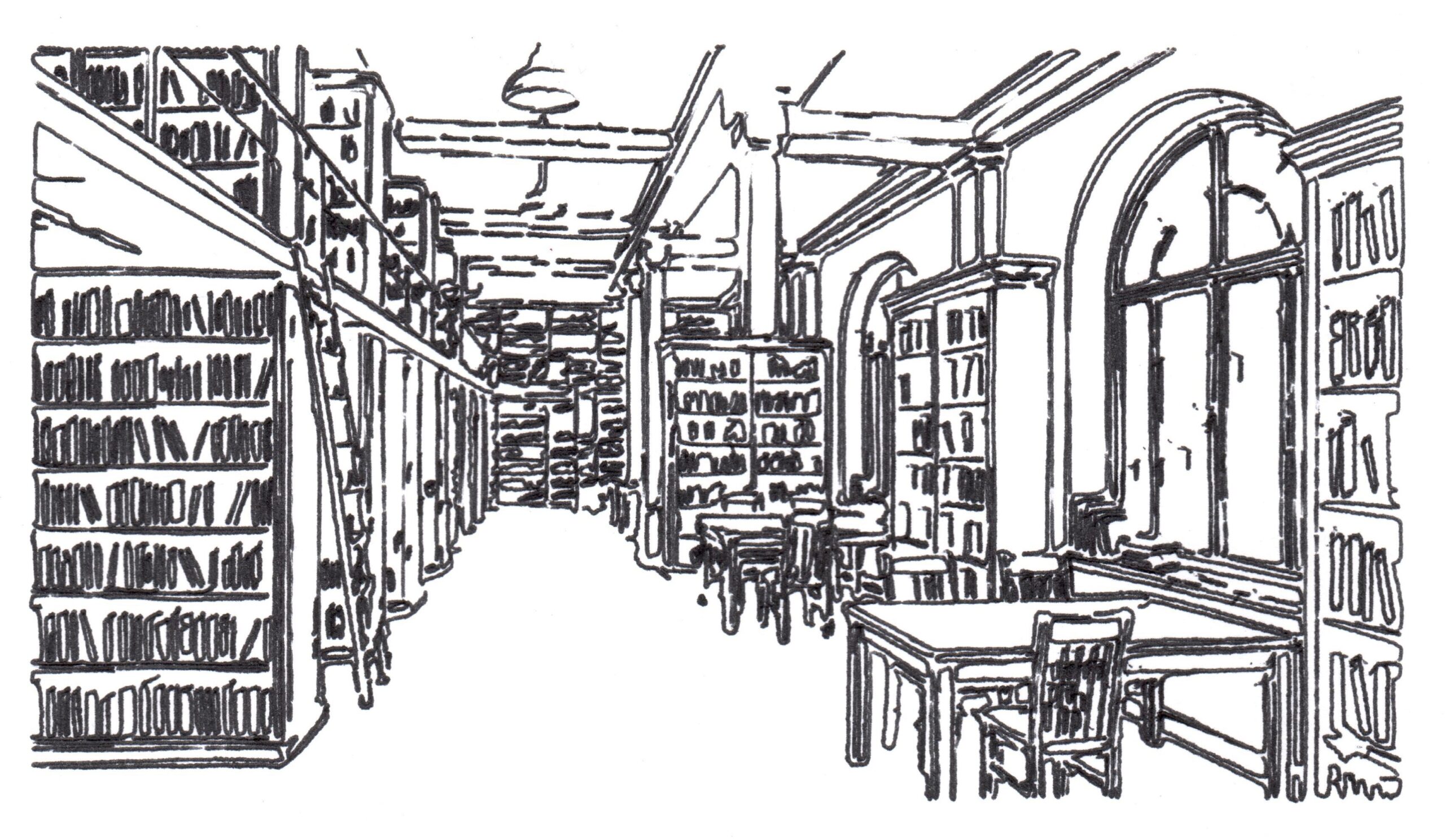
The Vatican Secret Archives, now officially called the Vatican Apostolic Archive, are the central repository for the Holy See’s historical documents. They contain centuries of correspondence, papal records, and diplomatic papers dating back to the 8th century. Much of their contents are restricted to protect fragile materials and sensitive information. Scholars can apply for access, but only specific documents are made available under strict conditions.
Exorcism and Demonic Possession
In Catholic teaching, exorcism is a solemn rite performed to expel demons or evil spirits from a person believed to be under demonic influence. The Church distinguishes between ordinary spiritual struggles and rare cases of true demonic possession, which require careful discernment. Catholic belief holds that Christ ultimately has authority over evil, and exorcism is understood as a ministry of liberation through that divine power.
Biolocation

In Catholic tradition, bilocation is the reported phenomenon where a saint or holy person appears to be in two places at the same time. Several saints are associated with claims of bilocation. These accounts usually describe the saint being physically present in one location while simultaneously seen elsewhere performing acts of prayer, ministry, or assistance.
Stigmata
Stigmata refers to the phenomenon where individuals bear wounds similar to those of Jesus Christ’s crucifixion, such as marks on the hands, feet, and side.
Incorrupt Saints
The incorrupt saints are Catholic holy figures whose bodies are believed to resist normal decomposition after death, sometimes for centuries. One mystery is that many of these bodies show little or no embalming yet remain unusually preserved under ordinary burial conditions.
Eucharistic Miracles

Eucharistic miracles are reported events in which the consecrated host or wine in the Catholic Eucharist is said to visibly transform, often into human flesh or blood. These occurrences are believed by the Catholic Church to be rare signs meant to strengthen belief in the doctrine of the Real Presence of Jesus Christ in the Eucharist. Many of these miracles have been investigated over centuries. They continue to be a subject of devotion, scientific curiosity, and theological reflection within the Church.
Marian Apparitions
Marian apparitions are reported supernatural appearances of the Virgin Mary, often witnessed by individuals or groups in moments of religious significance. Famous cases include the apparitions of Our Lady of Fátima Apparition and Our Lady of Lourdes Apparition, which drew millions of pilgrims and shaped modern Catholic devotion. Believers interpret these events as messages calling for prayer, repentance, and peace.
The Rosary

The Mysteries of the Rosary are a set of meditations on key events in the life of Jesus Christ and the Virgin Mary. They are divided into four groups: the Joyful, Sorrowful, Glorious, and Luminous Mysteries.
Joyful Mysteries:
Annunciation
Visitation
Nativity
Presentation in the Temple
Finding in the Temple
Sorrowful Mysteries:
Agony in the Garden
Scourging
Crowning with Thorns
Carrying of the Cross
Crucifixion
Glorious Mysteries:
Resurrection
Ascension
Descent of the Holy Spirit
Assumption of Mary
Coronation of Mary
Luminous Mysteries:
Jesus’s Baptism
Wedding at Cana
Proclamation of the Kingdom
Transfiguration
Institution of the Eucharist
The Sacraments

The Catholic Church recognizes seven sacraments: Baptism, Confirmation, Eucharist, Reconciliation, Anointing of the Sick, Holy Orders, and Matrimony. These sacraments are outward signs instituted by Christ that give grace to those who receive them worthily.
The Assumption
The “Mystery of the Assumption” refers to the belief that the Virgin Mary was taken body and soul into heaven at the end of her earthly life. This event is celebrated in Christianity as the Feast of the Assumption. The doctrine emphasizes Mary’s unique role in salvation history and her special closeness to God. For many believers, it is a sign of hope in the resurrection and eternal life promised to all faithful Christians.
The Immaculate Conception
The Immaculate Conception is a Catholic teaching that says Mary was preserved from original sin from the moment of her conception.
The Eucharist

The Mystery of the Eucharist refers to the belief that the bread and wine become the true body and blood of Jesus Christ during the Mass. It is considered a sacred sacrament that expresses Jesus’ sacrifice on the cross and his ongoing presence among believers.
The Resurrection

The mystery of the Resurrection refers to the Christian belief that Jesus Christ rose from the dead on the third day after his crucifixion. It is considered a central event in Christianity because it signifies victory over sin and death.
The Incarnation
The mystery of the Incarnation refers to the belief that God became human in the person of Jesus Christ. It teaches that Jesus is fully divine and fully human at the same time. This mystery shows God’s desire to be close to humanity and to share in human life and suffering. Through the Incarnation, salvation and reconciliation with God are made possible.
The Trinity

The Holy Trinity is the belief that God is one being in three persons: the Father, the Son, and the Holy Spirit. These three persons are distinct but fully united, sharing the same divine nature.